Harry Lawson: Collapsing Schemes & Automotive Launches
In the annals of British industrial history, few figures loom as large and as complex as Henry John Lawson, better known as Harry Lawson. A visionary designer, competitive cyclist, and undoubtedly a pioneer of the nascent automotive industry, Lawson was also a figure shrouded in controversy, often accused of grand schemes and outright fraud. His audacious attempts to establish and monopolize the British motor industry left an indelible mark, demonstrating both the immense potential and the inherent pitfalls of ambitious entrepreneurship. Many of Lawson's grand initiatives, despite their initial fanfare, ultimately suffered what could be metaphorically described as a "falha largada" – a failed start, or a spectacular collapse of their foundational schemes.
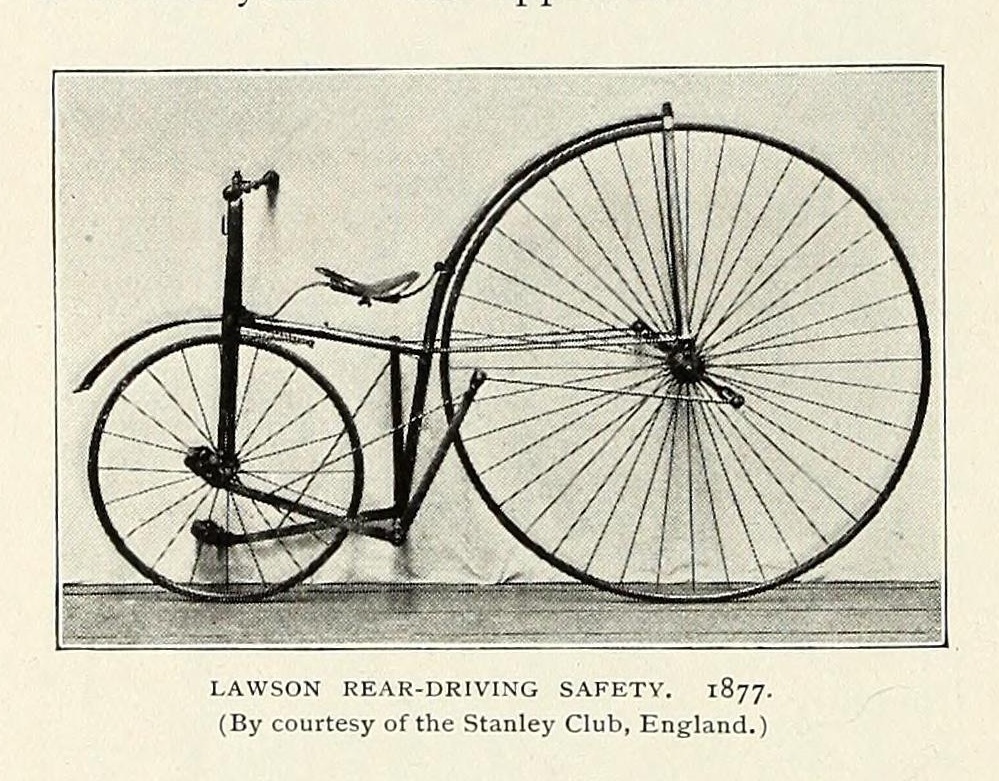
Born in London in 1852, Lawson's journey began far from the roar of internal combustion engines. His early brilliance was showcased in the world of cycling. By 1873, in Brighton, he had already proven his inventive prowess, designing what is often credited as the "first authentic safety bicycle with chain drive to the rear wheel that was effectively built." This innovation, placing him alongside the likes of John Kemp Starley, fundamentally reshaped personal mobility and laid the groundwork for the modern bicycle. This early success highlighted Lawson's capacity for genuine innovation and his keen eye for opportunities that could revolutionize transport.
The Architect of Ambition: Building the British Motor Industry
Lawson's entrepreneurial spirit soon fixated on an even grander vision: the motor car. He recognized the immense potential of horseless carriages and set out to ensure Britain would be at the forefront of this new technological wave. His strategy was bold, if not entirely ethical: to consolidate control over the entire burgeoning industry through the acquisition of crucial patents and the formation of numerous companies.
One of his most significant moves was the establishment of
The Daimler Motor Company Limited in London in 1896. This wasn't merely a launch; it was a statement, planting the German Daimler marque firmly on British soil, later relocating manufacturing to Coventry. This foundational act showcased Lawson's strategic foresight and his ability to leverage international developments for domestic gain.
Lawson was also instrumental in shaping public opinion and policy. Recognizing the stifling impact of the restrictive Red Flag Act, which severely hampered motor vehicle development in Britain, he co-founded the Motor Car Club of Britain with Frederick Richard Simms in 1895. Their persistent lobbying efforts culminated in the momentous "Emancipation Run" on November 14, 1896. This celebrated event, organized by Lawson and his Motor Car Club, saw a procession of early motor cars travel from London to Brighton, commemorating the relaxation of the Red Flag Act. Today, this historic journey is annually re-enacted as the London to Brighton Veteran Car Run, a testament to Lawson's pivotal role in motor sport heritage. The Emancipation Run was undeniably a successful "largada" – a triumphant start for the British motoring public.
The Shadow of Collapsing Schemes: A Legacy of "Falha Largada"
While the Emancipation Run was a resounding success, many of Lawson's business ventures, designed to monopolize the industry, were far less fortunate. His ambition, it seemed, often outstripped his ability to build sustainable, ethical enterprises. Lawson pursued a strategy of acquiring exclusive British rights for foreign patents, such as those for De Dion-Bouton and Léon Bollée Automobiles, and then creating a succession of promotional companies to exploit them.
These companies included grandly named entities like the British Motor Syndicate (BMS), the British Motor Company, and The Great Horseless Carriage Company. However, the foundational flaw in many of these ventures was their reliance on speculative patent aggregation rather than genuine manufacturing or sustainable business models. The financial structures were often precarious, and the promises of monopolistic control frequently proved illusory.
The consequences were swift and severe. The British Motor Syndicate (BMS), Lawson's flagship enterprise and one of his earliest major schemes, suffered a rapid and decisive "falha largada," collapsing spectacularly in 1897, barely a year after its inception. This pattern of ambitious launch followed by precipitous failure became a hallmark of Lawson's more questionable endeavors. He was a master of the grand opening, but often a novice at the sustained operation. This consistent **falha largada Lawson** faced in his business ventures cast a long shadow over his otherwise innovative contributions.
From a modern business perspective, Lawson's approach offers stark lessons. While his vision for a British automotive industry was prescient, his methods highlight the dangers of:
- Unethical Monopolistic Practices: Attempting to control an entire industry through patent acquisition without fostering competition or genuine innovation.
- Over-reliance on Speculation: Building companies purely on the promise of future patent royalties rather than solid production and sales.
- Lack of Sustainable Business Models: Many of his companies were more about promoting shares than producing vehicles, leading to inevitable collapse.
Entrepreneurs today, launching startups in rapidly evolving tech sectors, can learn from Lawson's missteps. A grand launch needs to be backed by robust fundamentals, ethical practices, and a clear path to long-term sustainability, lest it too suffer a "falha largada."
Beyond the Hype: Lawson's Enduring Impact and Lessons Learned
Despite his dubious financial dealings and the ultimate collapse of many of his schemes, Harry Lawson's contributions to the British automotive landscape cannot be entirely dismissed. He was a driving force behind the establishment of significant early automotive companies and played a crucial role in creating the legal and public environment necessary for the industry to flourish. The tradition of the London to Brighton Veteran Car Run stands as a tangible legacy of his advocacy.
His story serves as a powerful reminder that progress often comes in messy, imperfect packages. Innovation and entrepreneurship are not always clean-cut; they can be intertwined with ambition, risk, and, occasionally, unethical practices. The contrast between Lawson's genuine design brilliance and his later financial impropriety paints a complex picture of a man ahead of his time in vision, yet perhaps behind his time in business ethics.
In contemporary high-stakes environments, such as Formula 1 racing, the concept of a "falha largada" takes on a very literal and immediate meaning. A failed start can ruin a race, costing positions, points, and even championships. Modern racing teams, like those employing drivers such as Liam Lawson, meticulously plan every detail, from component changes to race strategy, specifically to *prevent* such failures. For an in-depth look at how top teams approach this, consider reading
Liam Lawson: F1 Component Strategy for Race Starts, which explores the strategic considerations involved in ensuring a smooth and powerful launch. The precision and preventative measures employed in F1 today stand in stark contrast to the often haphazard and speculative "starts" of Harry Lawson's enterprises. Further insights into avoiding these critical missteps can be found in
F1 2025: Liam Lawson's Strategy to Avoid Start Failures, highlighting the continuous evolution of performance optimization and risk mitigation.
Conclusion
Harry Lawson remains a paradoxical figure: a true pioneer whose innovations propelled the cycling world forward and laid essential groundwork for the British automotive industry, yet also a controversial businessman whose grand schemes frequently ended in financial ruin. His story is a captivating blend of visionary foresight, audacious entrepreneurship, and cautionary tales of ambition unchecked. While some of his ventures saw a successful "largada," many more suffered a devastating "falha largada" – collapsing under the weight of their own unsustainable foundations. His legacy reminds us that while vision is crucial for starting something new, integrity and sound business practices are paramount for ensuring its lasting success.